Kerala — the story of the state formally declaring itself free of extreme poverty:
Here’s a new article on a government topic in Kerala — the story of the state formally declaring itself free of extreme poverty:
Kerala declares itself free of extreme poverty


What happened:
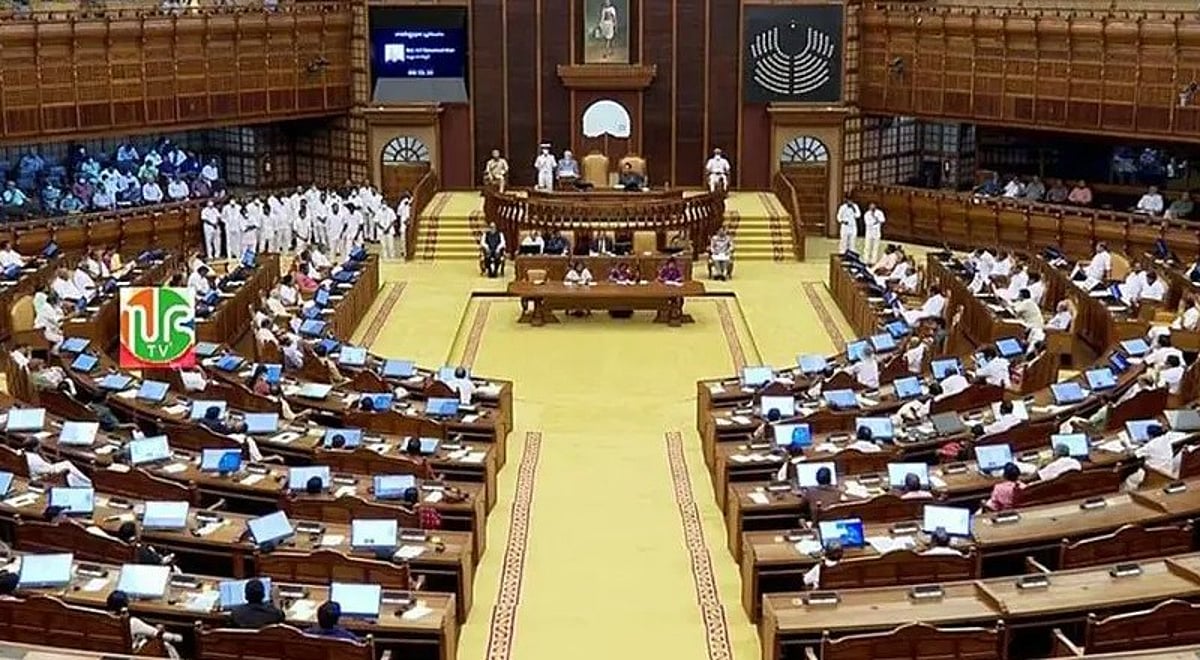
On 1 November 2025 (the state’s formation day), Kerala’s Chief Minister Pinarayi Vijayan announced in the State Assembly that Kerala has become the first state in India to eradicate “extreme poverty”.
Key details:
-
The announcement comes from the government’s flagship programme titled Extreme Poverty Eradication Project (EPEP) which was launched in 2021.
-
The government identified about 64,006 families as extremely poor, and prepared individual “micro-plans” to uplift them through housing, livelihood, identity-documents, health access and more.
-
The state government emphasises that the achievement builds on long-term social development policies — land reform, high levels of literacy, health and public participation.
Why it matters:
-
If accepted at face value, this is a major welfare milestone: eradicating extreme poverty means people are no longer deprived of basic essentials such as shelter, food, healthcare and identity-documents.
-
It sets Kerala apart from many other Indian states in terms of social indicators and welfare effort.
-
It reflects a commitment to targeted, inclusive interventions rather than only broad economic growth.
Points of debate / caveats:
-
Some analysts point out that the definition used for “extreme poverty” in this case is quite narrow (families lacking multiple basic necessities) — so the claim of “poverty-free” may not cover all who experience economic hardship.
-
The opposition in the state legislature criticised the announcement as propagandistic and claimed discrepancies in the data.
-
Implementation and maintenance matter: ensuring families don’t slip back, and that social structures support sustained well-being. The next phase will likely test the durability of this claim.
What to watch next:
-
Monitoring and independent audits of whether the 64,006 families remain out of extreme poverty and whether new families fall into that category.
-
How Kerala defines and measures “extreme poverty” going forward — and whether this becomes a model for other states.
-
Whether resources shift from eradication to prevention and overall welfare improvement, now that the extreme target is claimed to be achieved.
-
The effect on sectors like education, health, housing and livelihoods — whether the uplift translates into improved outcomes across indicators.
Would you like a deeper dive into the programme’s methodology, district-wise breakdown, or comparisons with other states in India?
Comments
Post a Comment