🇮🇳 Indian Armed Forces.
🇮🇳 Indian Armed Forces

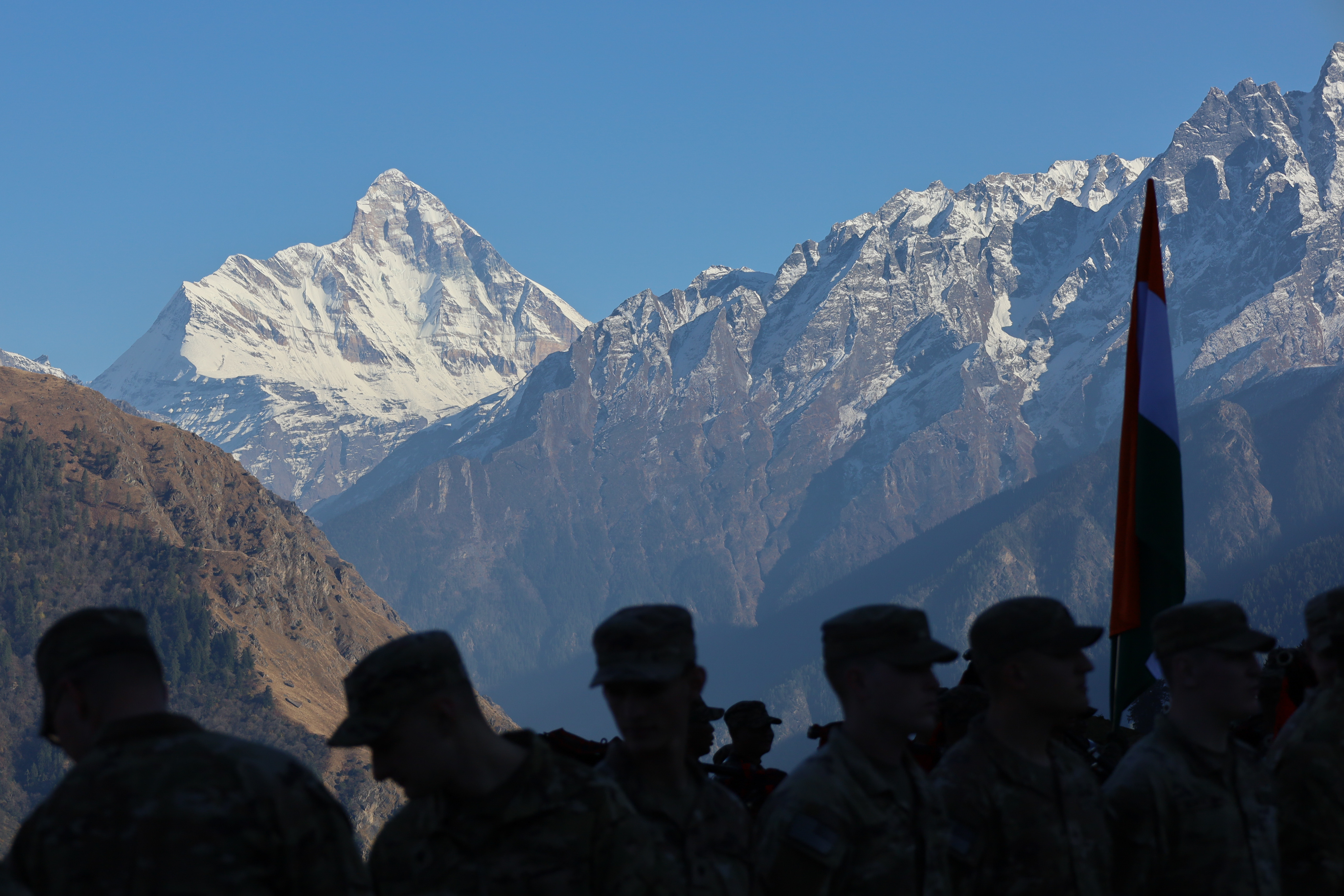


Overview
The Indian Armed Forces comprise the three primary uniformed services of the Republic of India: the Indian Army (land), the Indian Navy (sea), and the Indian Air Force (air). (Wikipedia)
-
The President of India acts as the Supreme Commander of the Armed Forces. (Wikipedia)
-
Operational control and administration rest with the Ministry of Defence (MoD). (World Defence News)
-
With over ~1.4 million active personnel, it’s one of the largest military forces in the world. (Wikipedia)
Functions & Roles
The core mandates of the Indian Armed Forces include:
-
Defending territorial integrity and sovereignty against external aggression. (World Defence News)
-
Supporting domestic stability, including disaster relief, humanitarian assistance and internal security when required. (Digit Insurance)
-
Contributing to international peacekeeping under the aegis of the United Nations in some cases. (Jaago Re)
Structure & Composition
Indian Army (Land)



-
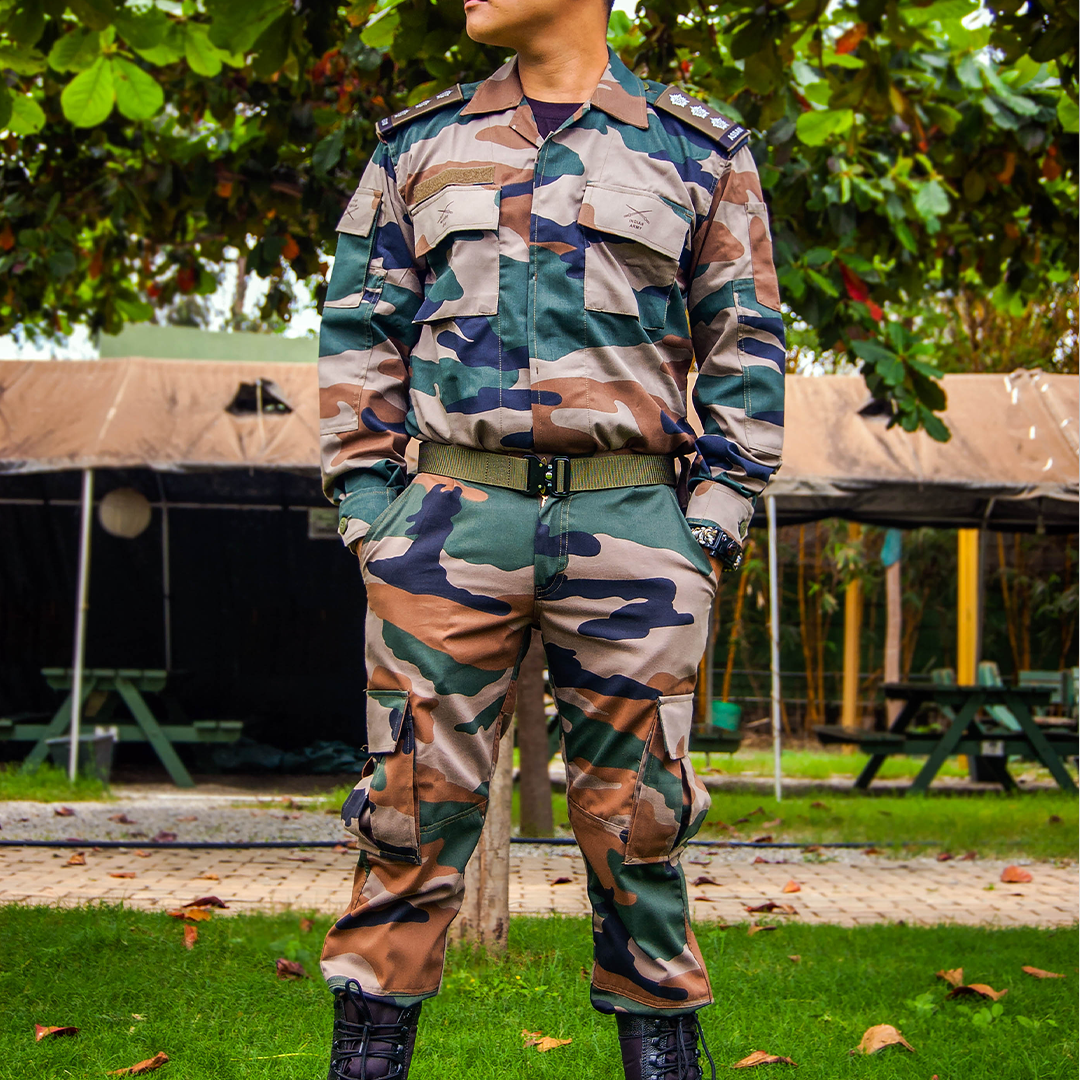
The Indian Army is the land-based component and is the largest single branch of the three. (Wikipedia)
-
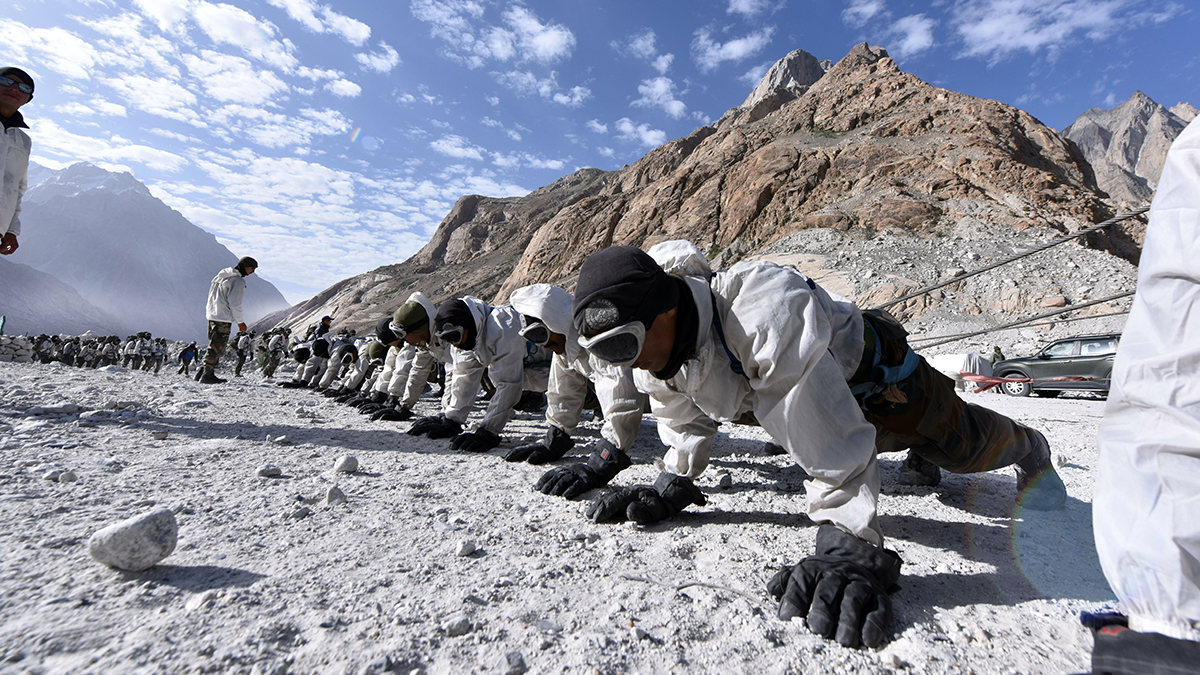
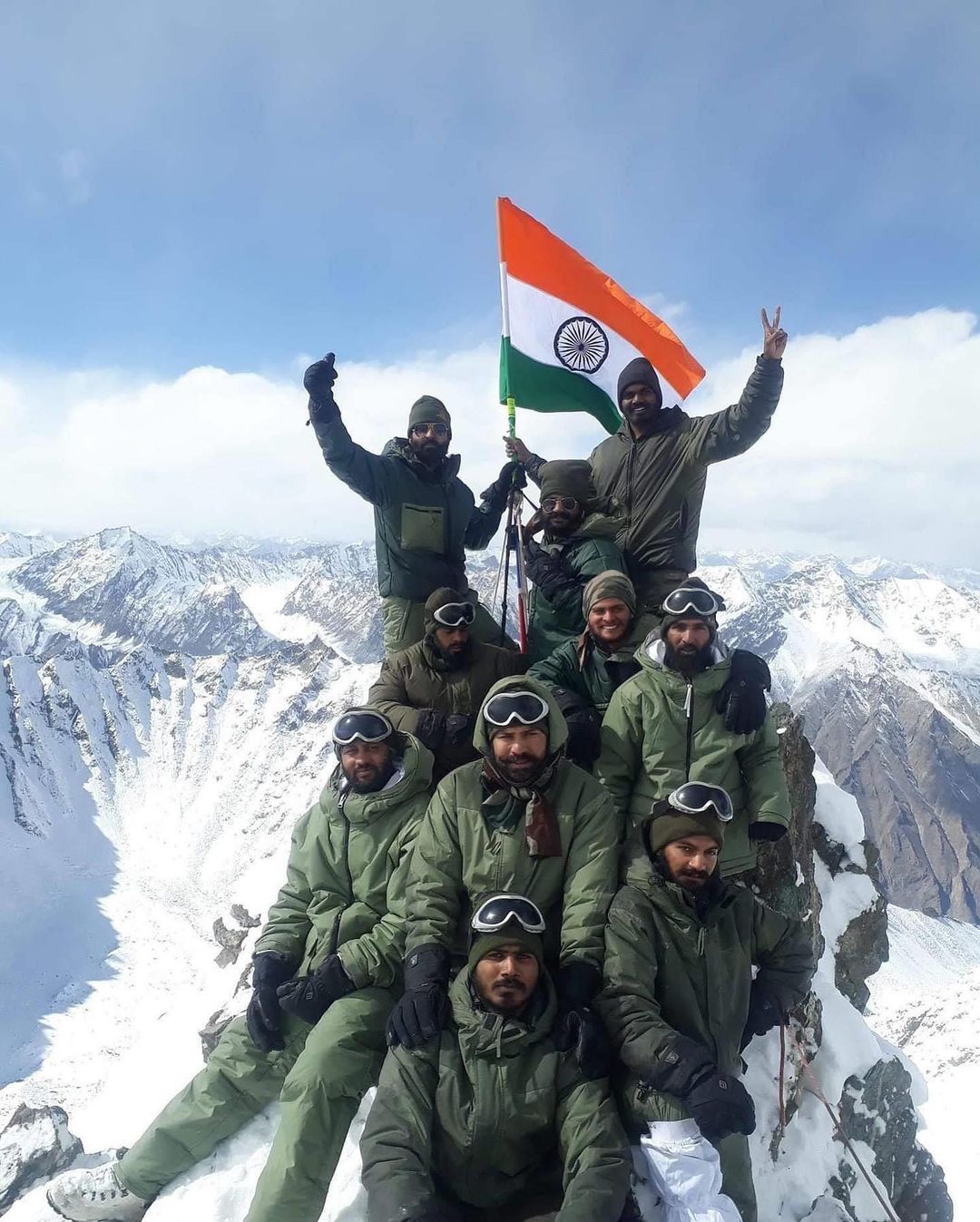
It has extensive responsibilities in high altitude warfare (for example, the Siachen Glacier region) and mountainous terrain – truly extreme-environment operations. (Jaago Re)
-
It also operates a strong logistical and engineering wing (e.g., building roads and infrastructure in remote terrain) aside from combat roles. (Jaago Re)
Indian Navy (Sea)



-
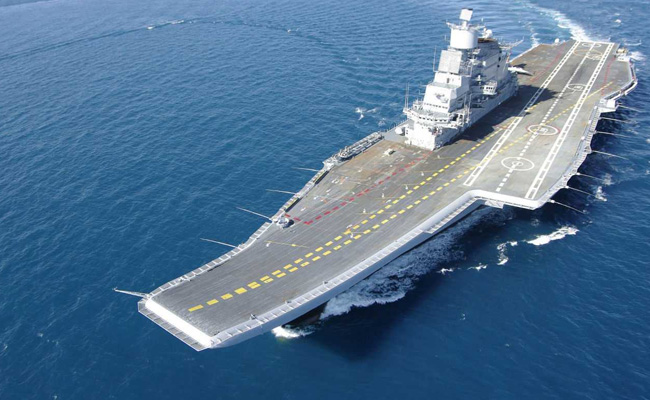
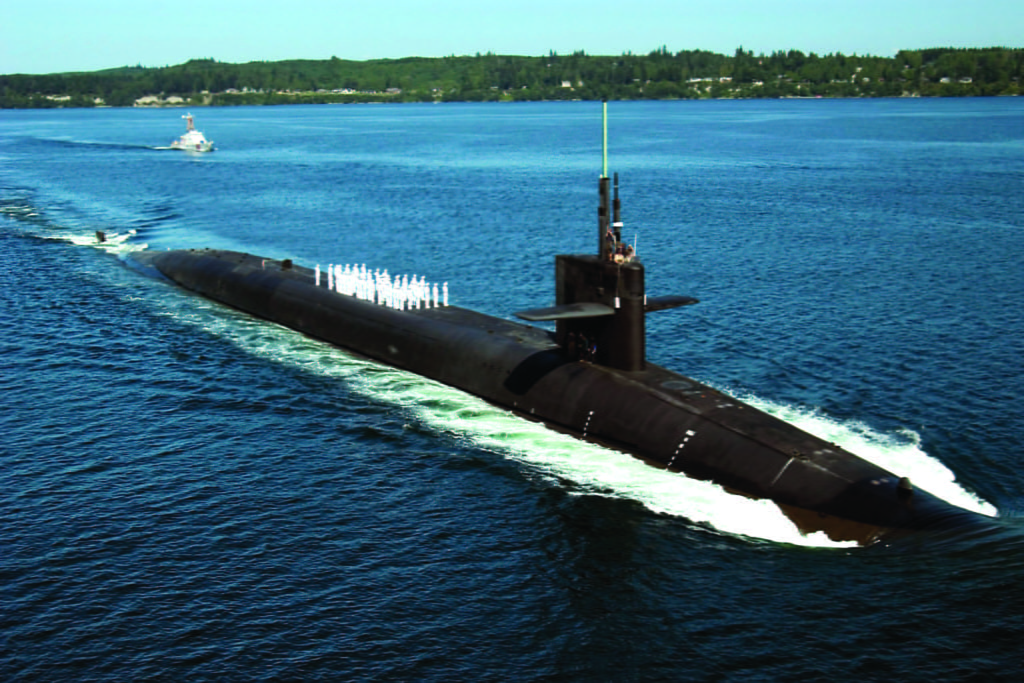
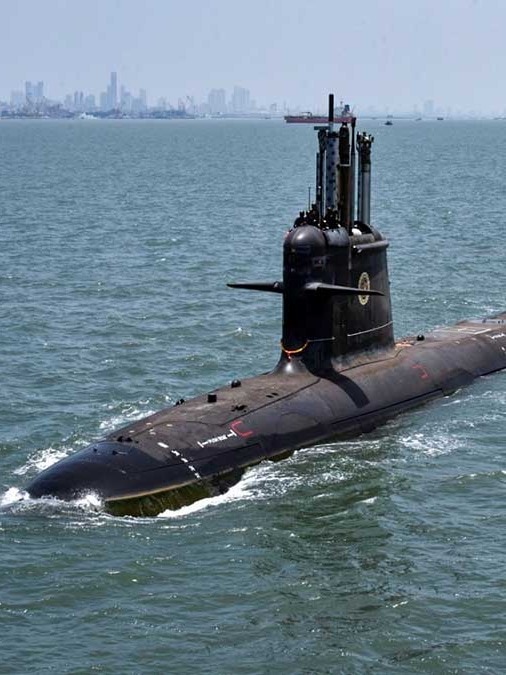
The Navy protects India’s maritime interests, patrols sea‐lanes, secures maritime trade, and projects power in the Indian Ocean region. (Digit Insurance)
-
Its fleet includes surface ships, submarines and support vessels; the Navy’s presence is increasingly important given India’s long coastline and maritime trade.
Indian Air Force (Air)



-
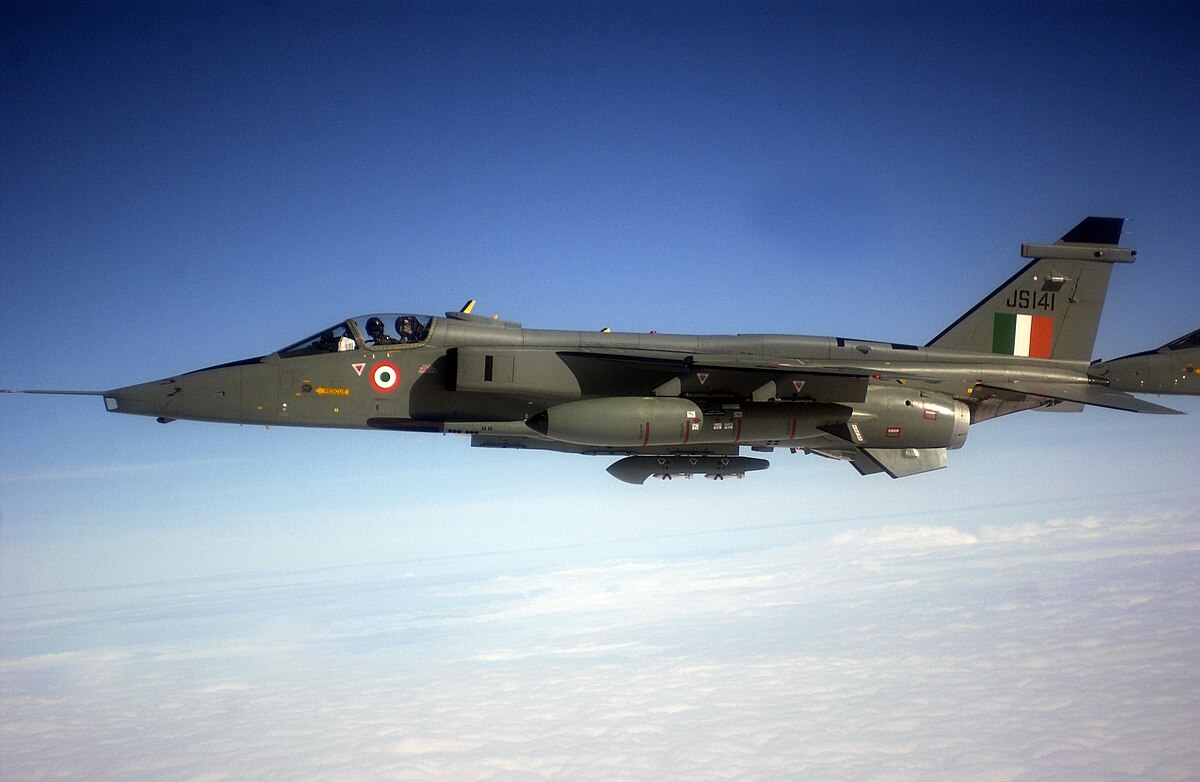
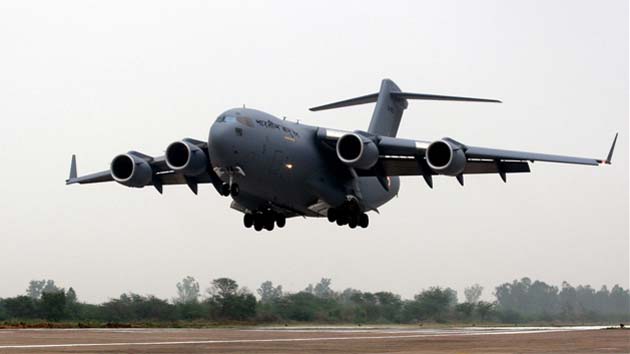
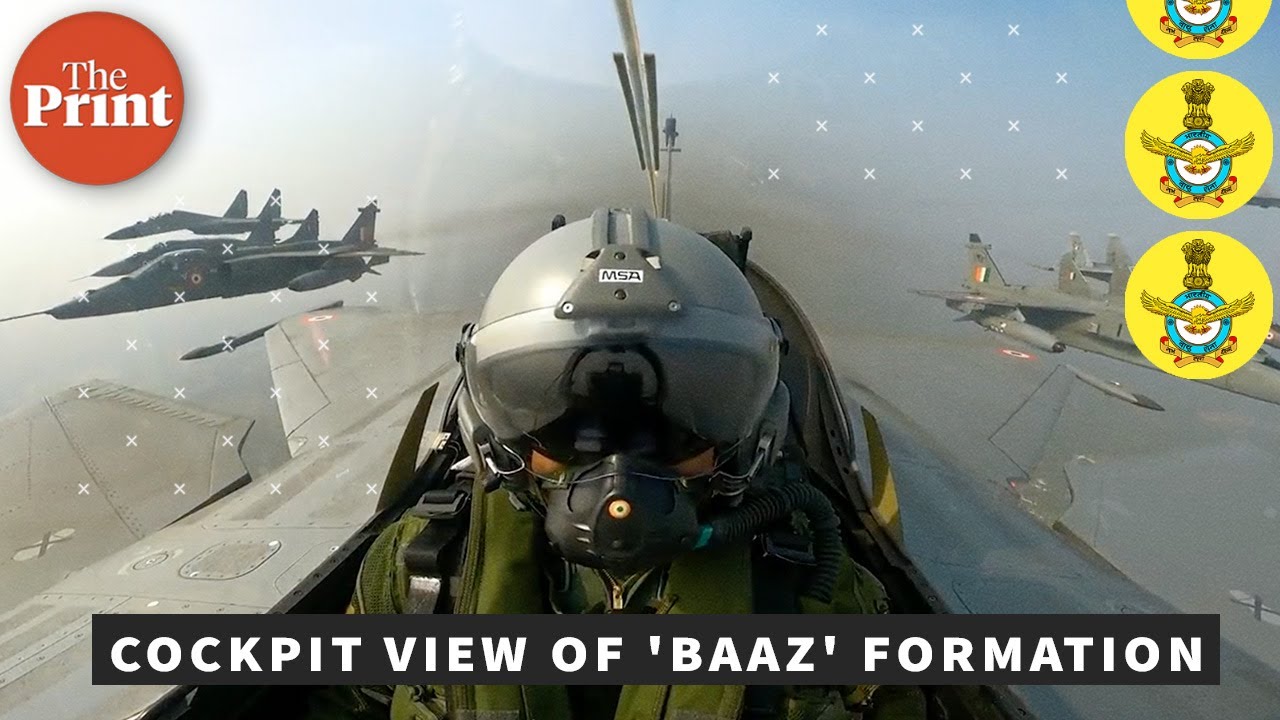
The Air Force secures Indian air-space, provides air-defence, supports ground and naval operations, and can project force across long distances. (Digit Insurance)
-
It also plays a role in humanitarian assistance (air-lifting, disaster relief).
Strengths & Challenges
Strengths
-
India’s armed forces are volunteer-based (no general conscription) and among the largest in the world. (Wikipedia)
-
Increasing emphasis on modernisation and self-reliance in defence manufacturing (“Atmanirbhar Bharat”/self-reliant India) is growing. (World Defence News)
-
Diverse terrain experience: from deserts to high mountains to maritime zones.
Challenges
-
Modernising ageing equipment and platforms remains a significant task: some aircraft, tanks, or ships are older models awaiting replacement. (Le Monde.fr)
-
Logistics, training, maintenance in difficult terrain (mountains, islands) pose extra burdens.
-
Balancing internal-security roles plus traditional military roles (i.e., insurgency, border security) stretches resources.
Recent Developments
-
A large-scale tri-service exercise called Exercise Trishul was launched to integrate land, sea, air operations and test joint war-fighting capabilities. (Wikipedia)
-
India’s defence procurement council has approved multi-billion-dollar acquisitions to upgrade tanks, submarines, airborne early-warning systems. (Reuters)
-
Emphasis is increasing on drones, unmanned systems, electronics warfare and new domains of warfare (cyber, space).
Significance for India & the Region
-
Given India’s geographic location — sharing borders with multiple countries, maritime frontiers, and internal security challenges — the Armed Forces play a crucial role in safeguarding national interests.
-
The strength of the forces provides deterrence and helps maintain stability in the region.
-
Defence forces also contribute to national pride and international standing.
Conclusion
The Indian Armed Forces are a major pillar of India’s national security architecture. With significant responsibilities across land, sea and air — as well as in newer domains like cyber and unmanned systems — they continue to evolve. The journey ahead will require continued focus on modernisation, training, integration of services, and leveraging indigenous capabilities.
If you like, I can prepare a detailed article focusing on one branch (Army/Navy/Air Force) or on future modernisation trends for India’s forces — would you prefer that?
Comments
Post a Comment